The English Country House Garden
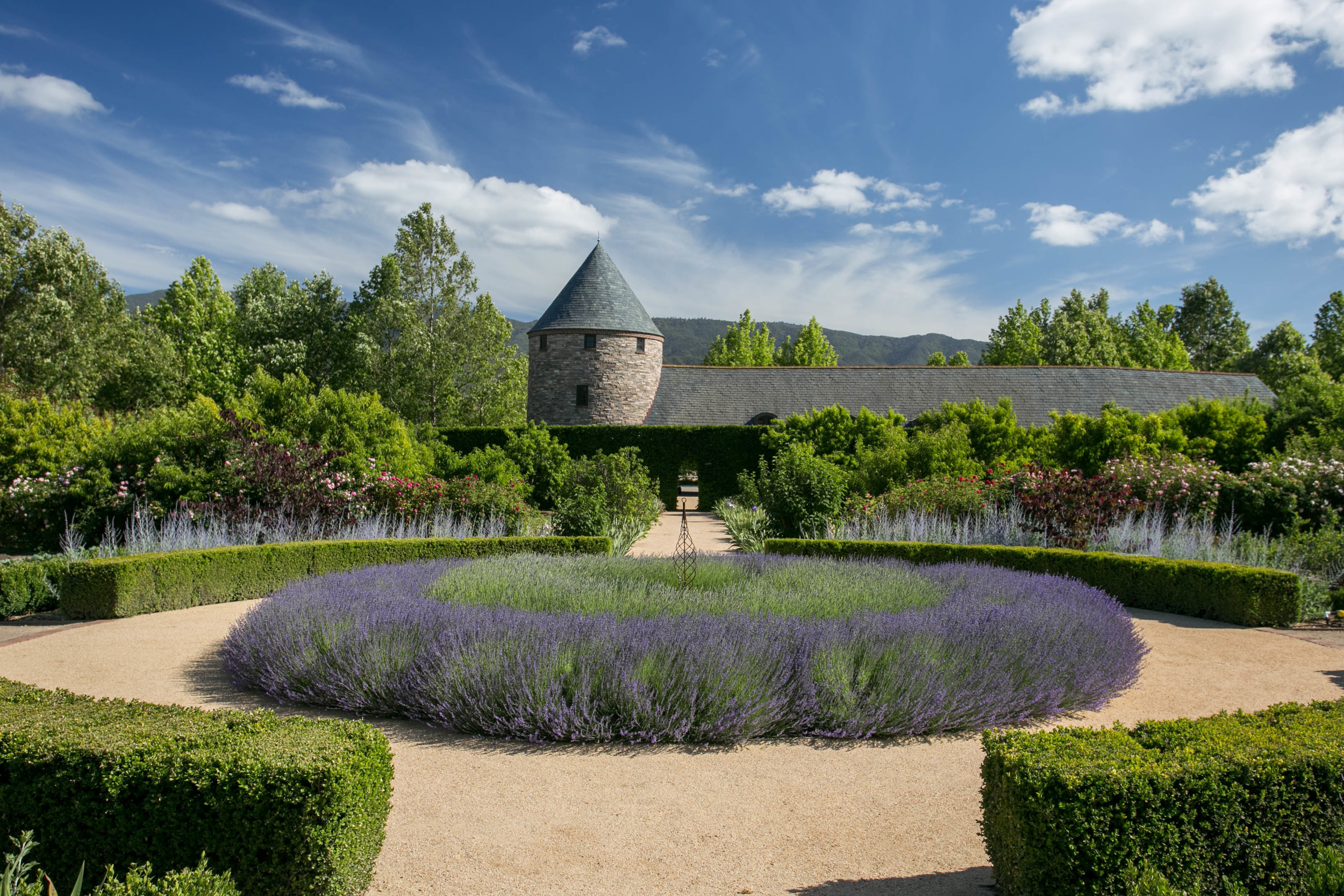
When great English houses no longer needed to be fortresses and their windows might safely look abroad into the open country instead of giving on to an inner court, then the pleasure garden - which had hitherto been necessarily restricted - was greatly enlarged and its many possibilities were developed. Perhaps because the tradition of the "old need" of walled protection was still on everyman's mind, surrounding the gardens with hedges was at once adopted. Accordingly, the 190' x 210'formal kitchen garden is enclosed by a 12' hornbeam hedge that provides year-round interest by holding its almost brick-brown leaves in the winter in contrast to the bright green it turns in spring. The gardens within are only revealed after walking through the arched doorway. Included is a stone fruit orchard with 30 trees including peach, pluot, plum, apricot and nectarine as well as an heirloom apple and pear orchard with 30 trees and a large vegetable garden. A cutting garden has also been carefully incorporated with over 700 great bearded irises, 300 David Austin roses (comprised of 60 different varieties) and a lavender garden.
Gertrude Jekyll
An important feature of Lutyens' houses is their careful integration with romantically conceived gardens. These were frequently designed in collaboration with the famous garden designer Gertrude Jekyll (1843-1932). In fact, his first major house, Mustead Wood, was designed for Jekyll, a close personal friend of Lutyens who did much to promote his career. As the most important garden designer of the twentieth century, Jekyll laid the basis for modern garden design. Her collaboration with Edwin Lutyens produced seminal garden masterpieces of the Arts & Crafts movement and her influence is seen throughout the landscaping and gardens of the property.
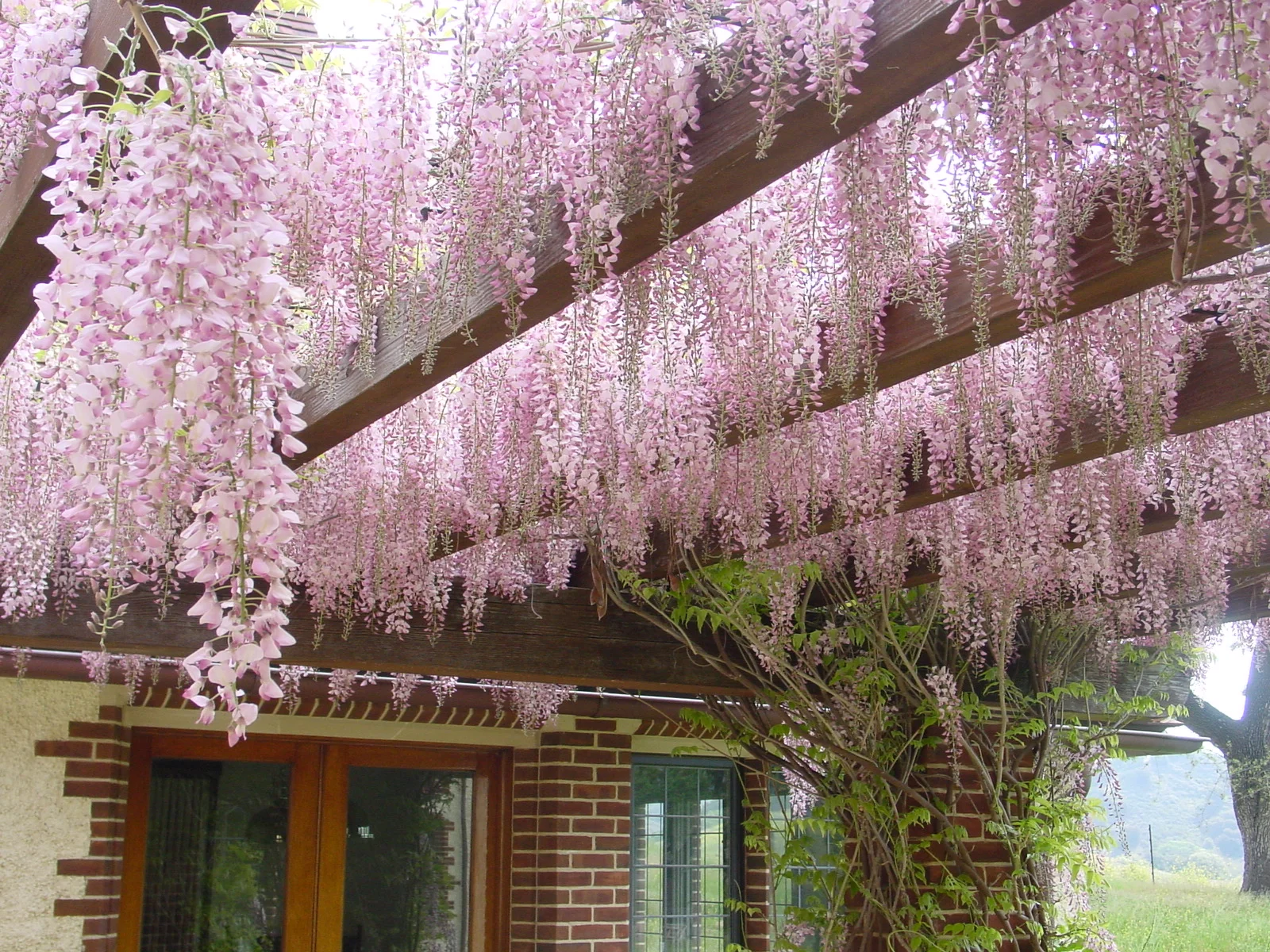
Pink wisteria on the Breakfast Terrace Pergola.
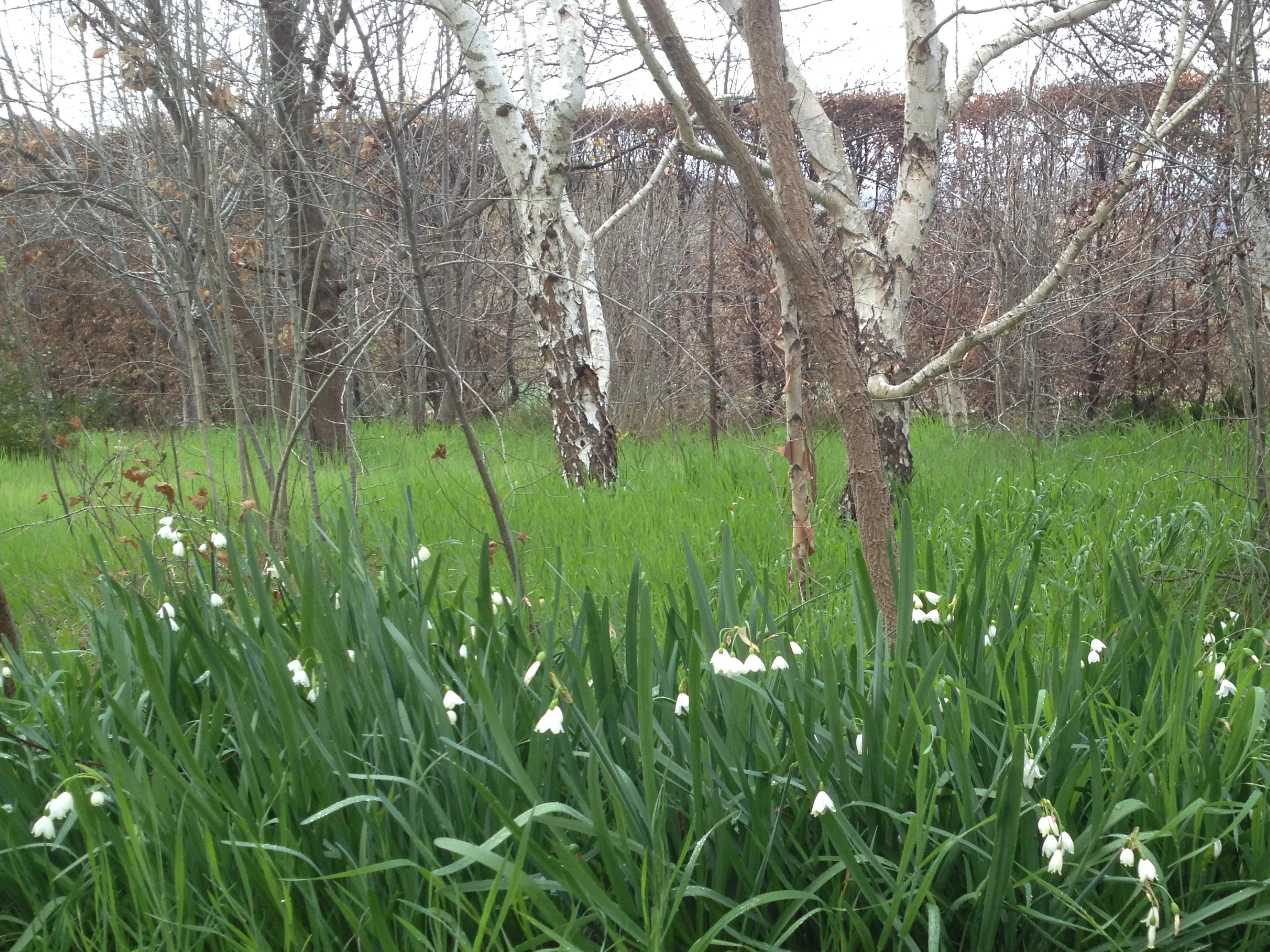
Snowdrops (one of Jekyll's favorites) signal spring in the wood.
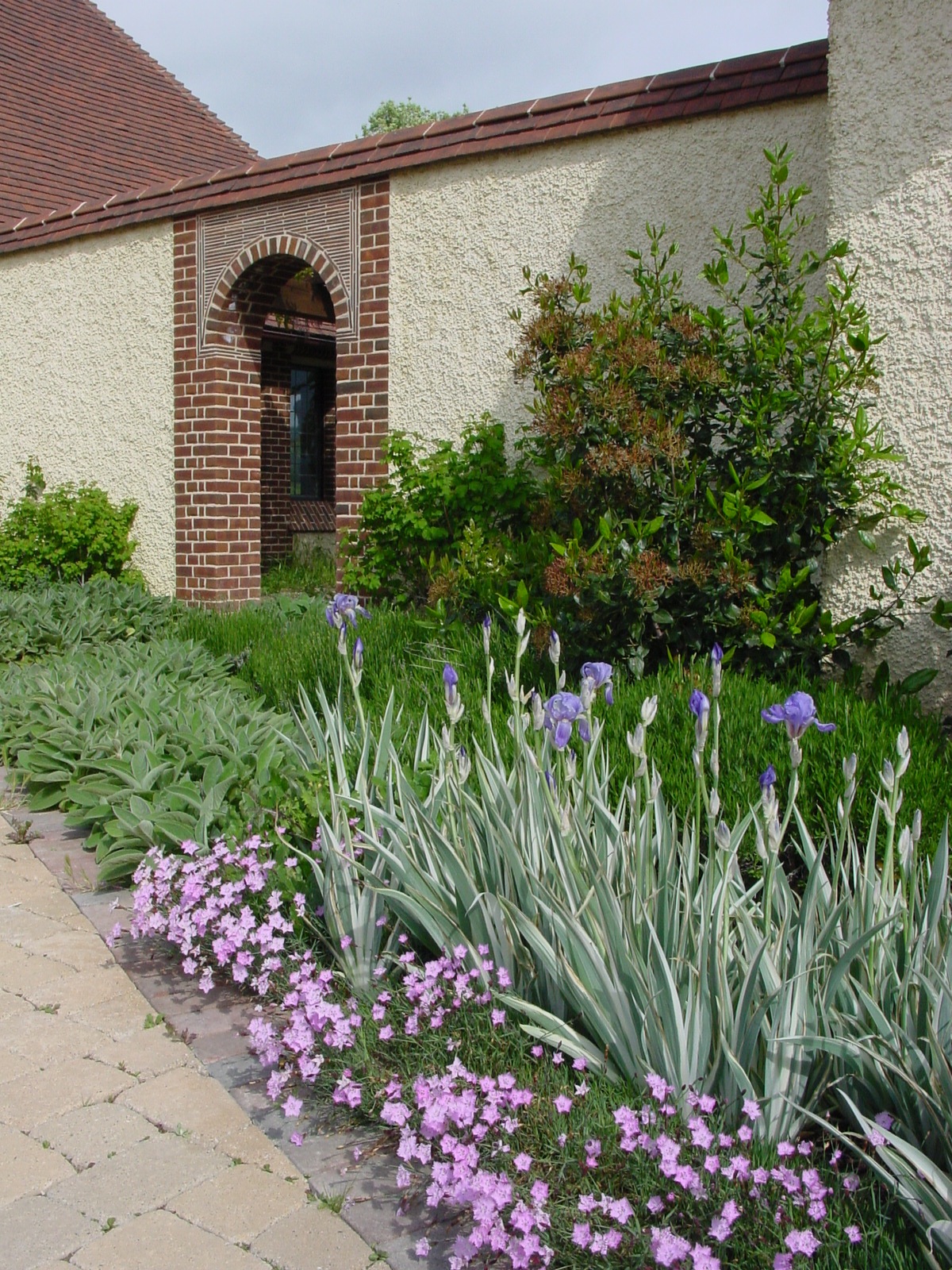
The Archway is a reproduction of an archway designed by Lutyens for "Deanery Garden."
The Kitchen Garden
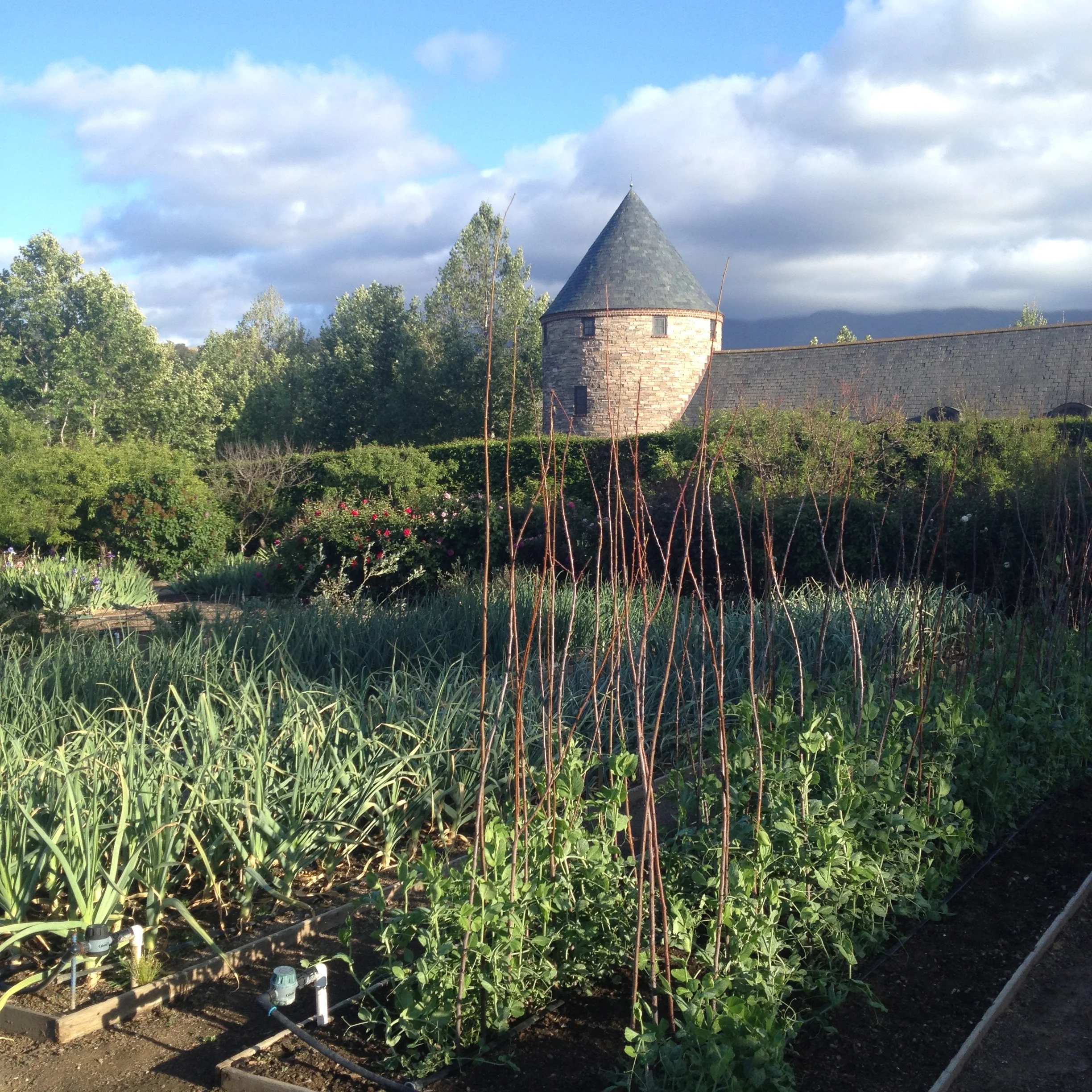
Onions, garlic and peas in the Kitchen Garden.
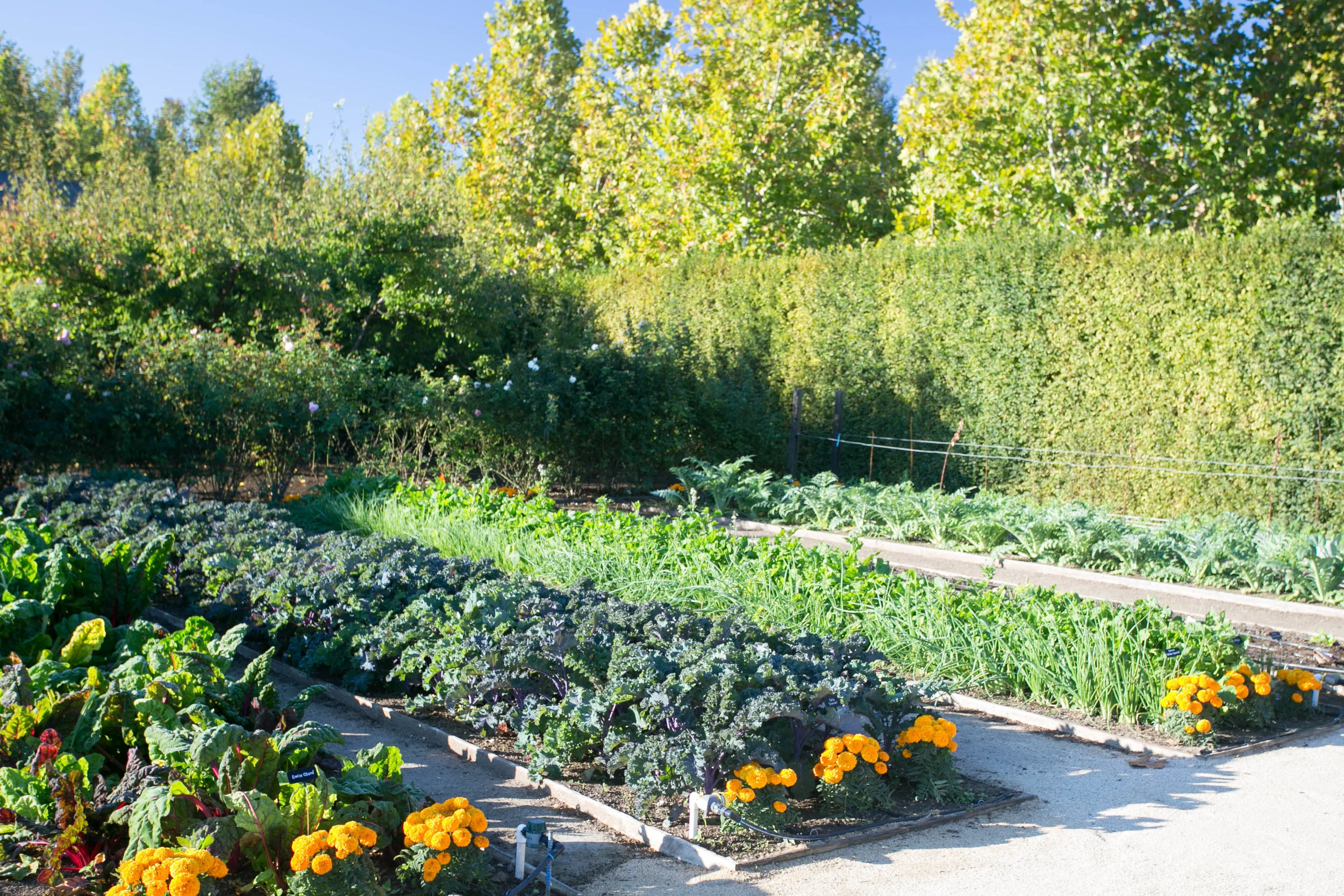
Chard, Scarlet Kale, Onions, Arugula and artichoke
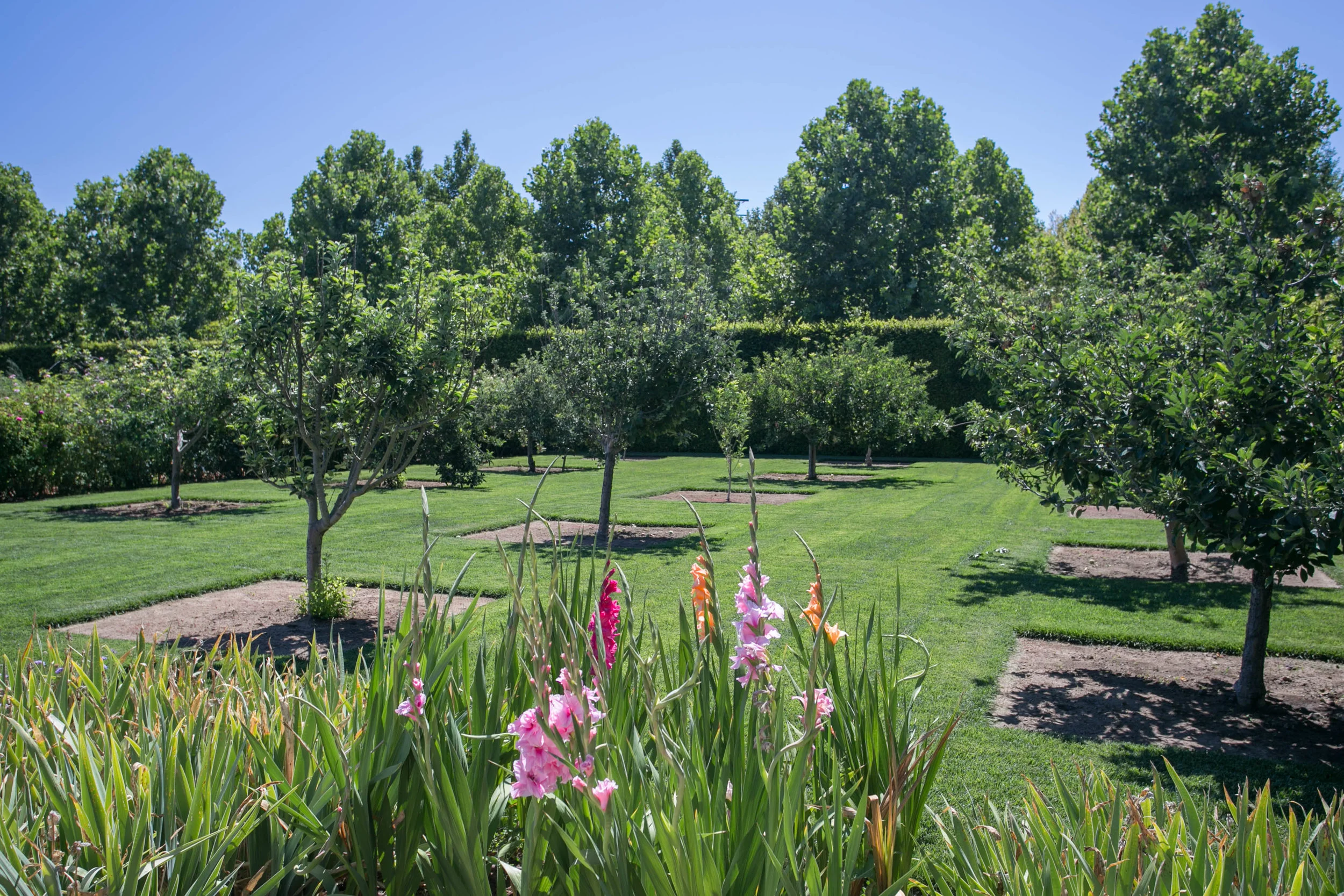
The heirloom apple orchard
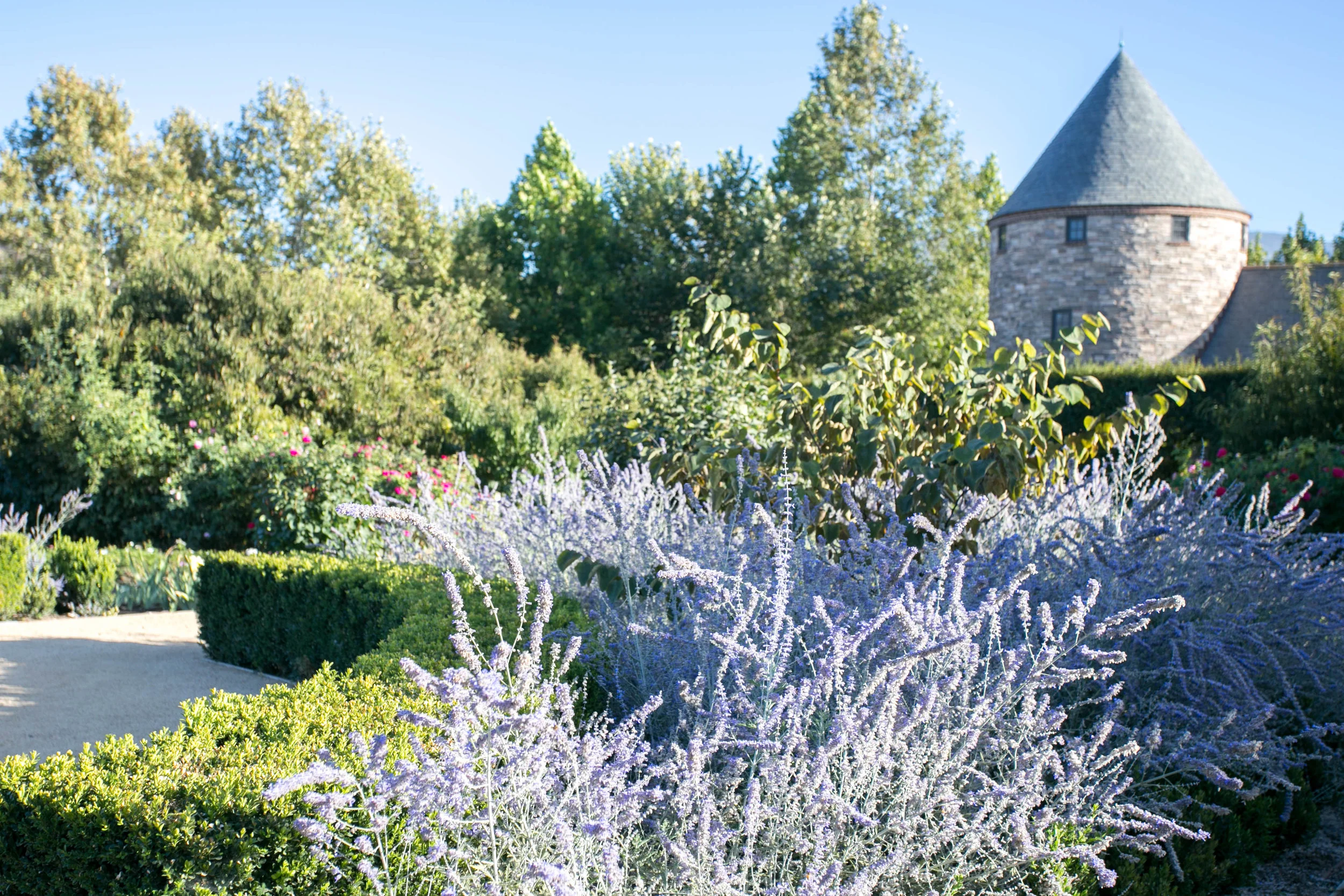
Boxwood and Russian sage
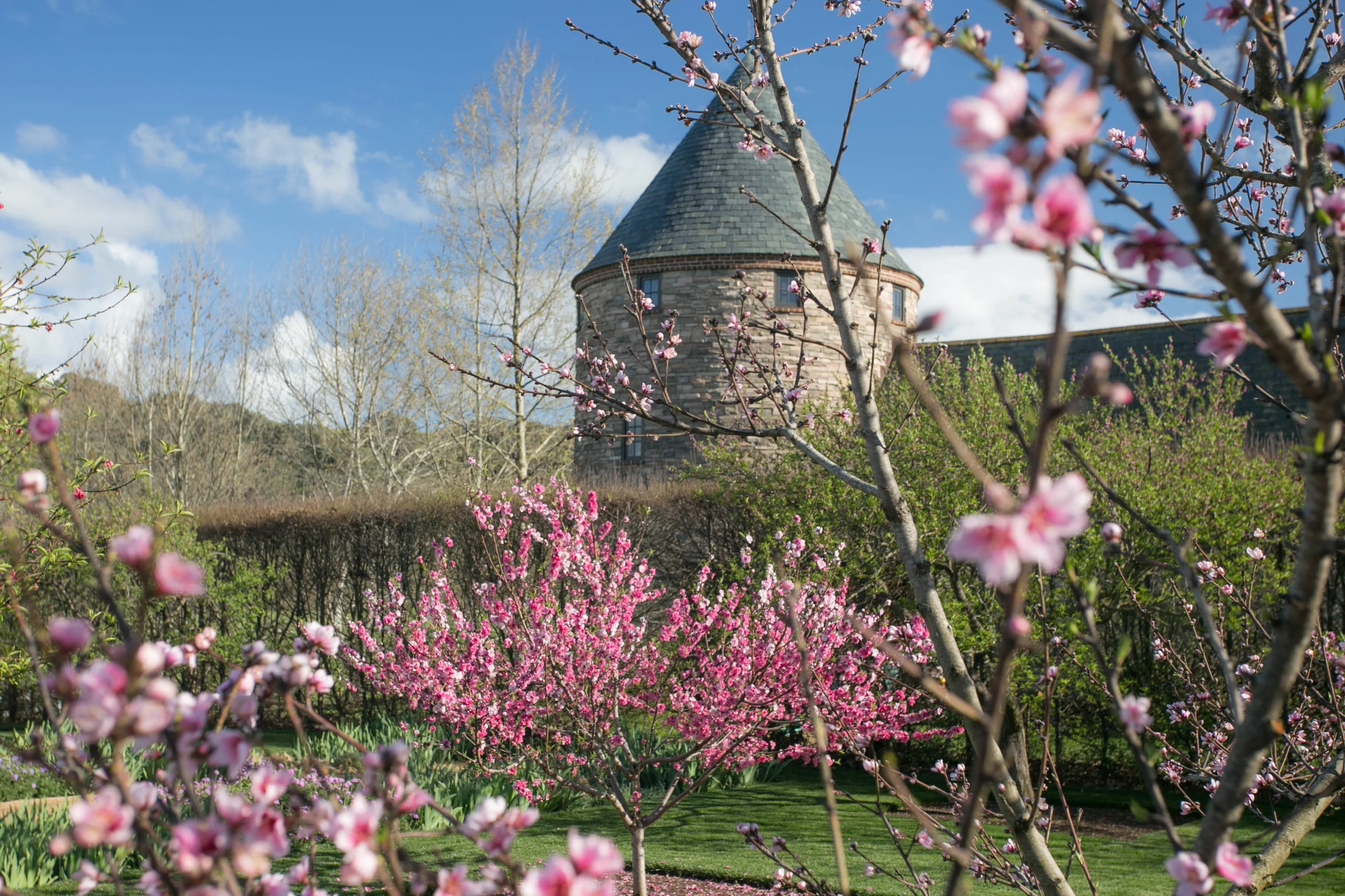
The stone fruit orchard in bloom.
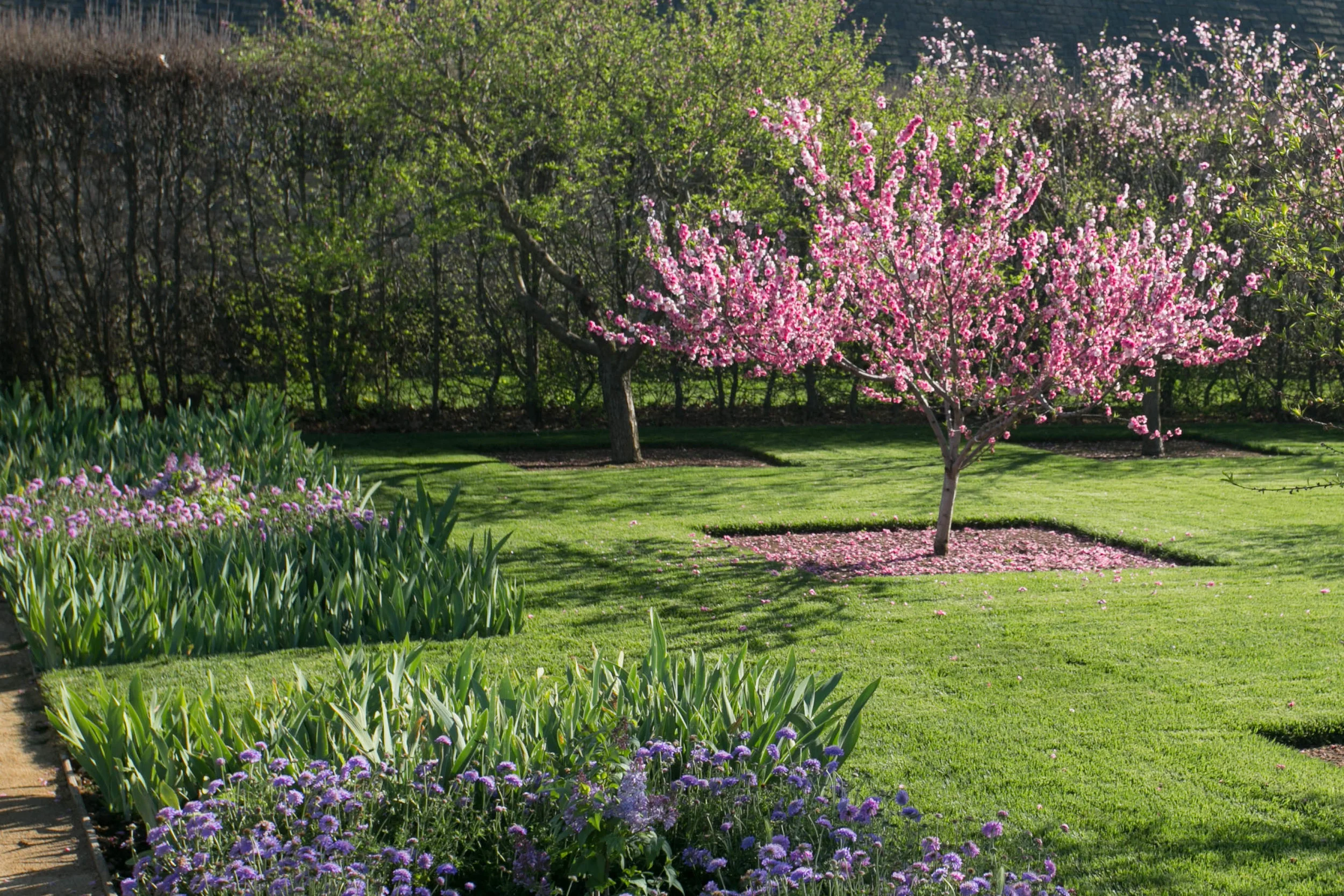
March 22nd
Garden mid March with the Lilacs in bloom
The Cutting Gardens
It is a particular luxury to have fresh flowers on display at home on a daily basis. What a delight it is to be surrounded indoors by bouquets and arrangements of fragrant, colorful blossoms and to have a bit of the garden in the house. For gardeners, the ultimate pleasure is to be able to cut flowers from their own garden to bring indoors and give away to friends and family. Many also love to have homegrown blossoms, foliage and seedheads handy for fresh or dried floral crafts and cooking.
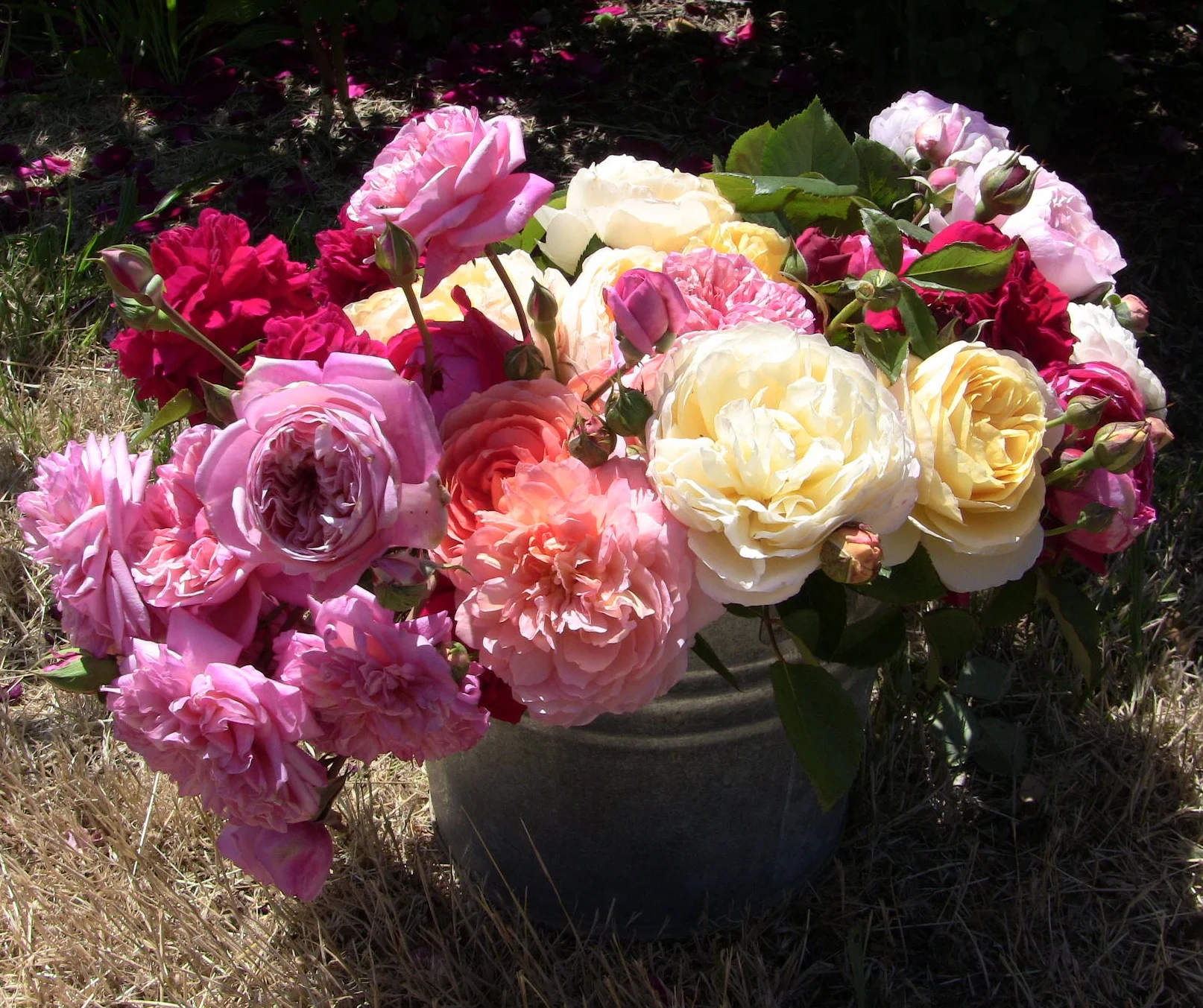
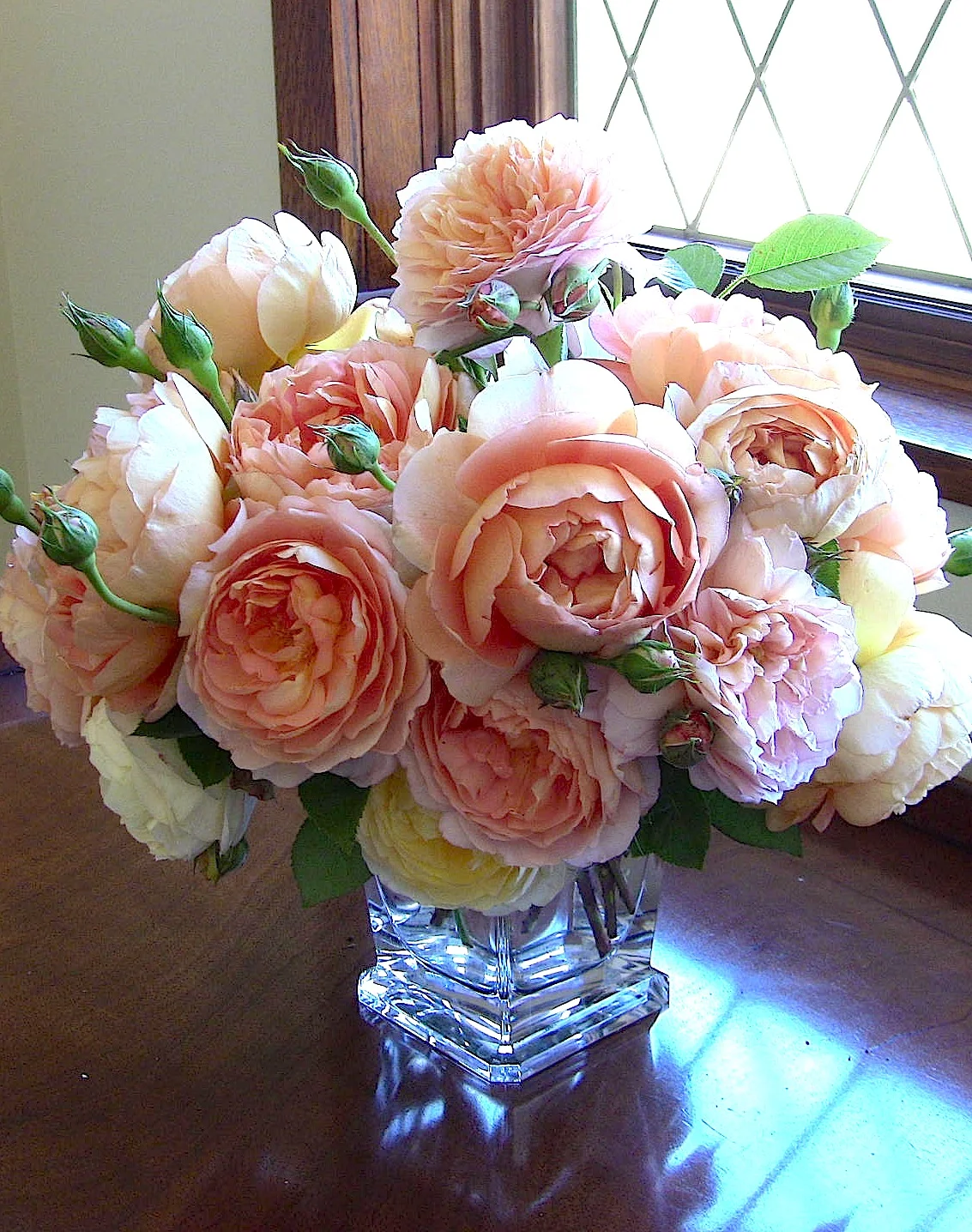
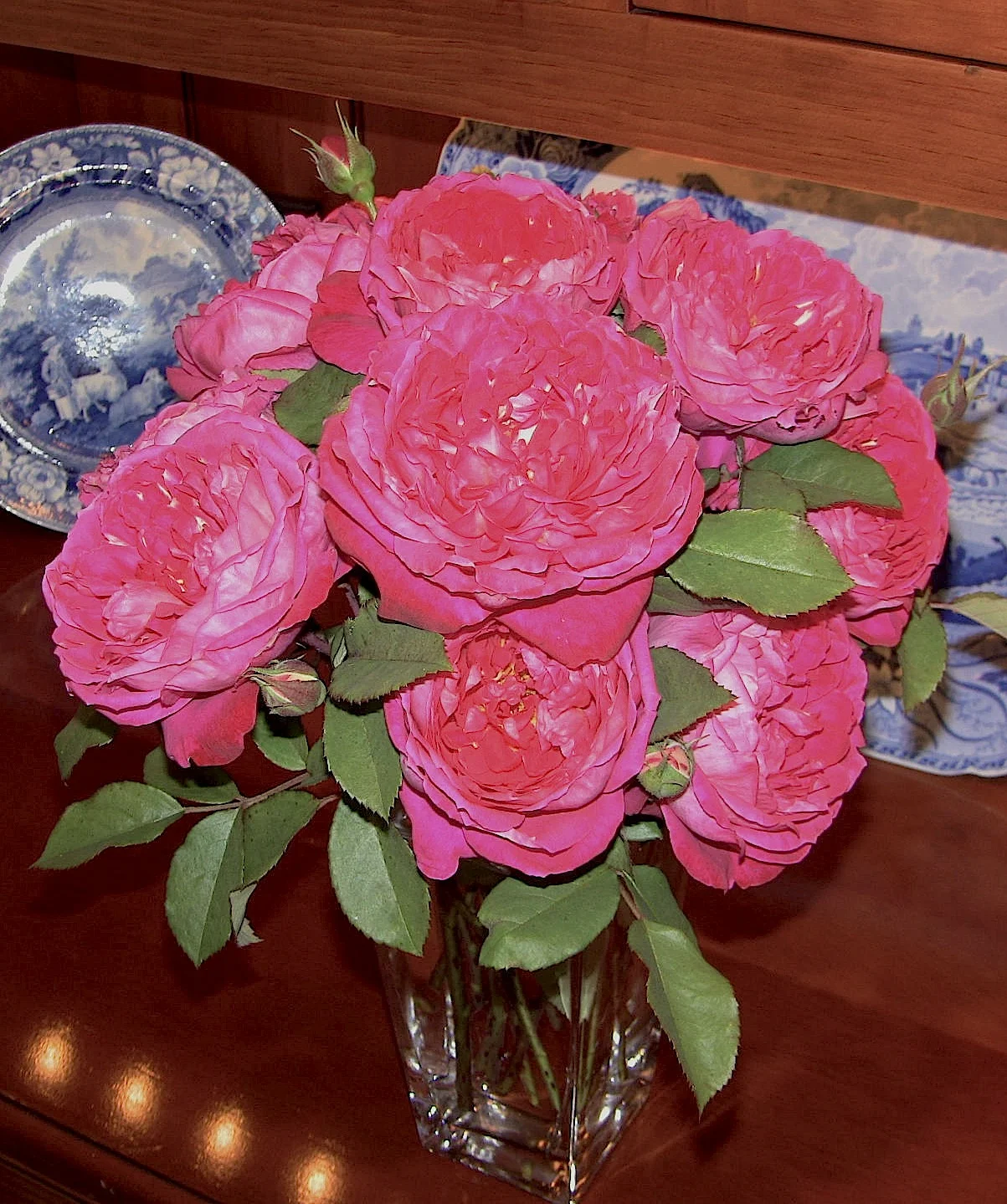
David Austin Roses. After fifty years of intensive breeding, David Austin's English Roses combine the beautiful forms and wonderful fragrances of old roses with the wider colour range and repeat-flowering nature of modern roses. As a group, English Roses are healthy, reliable, very easy to grow and quickly form magnificent, shapely shrubs.
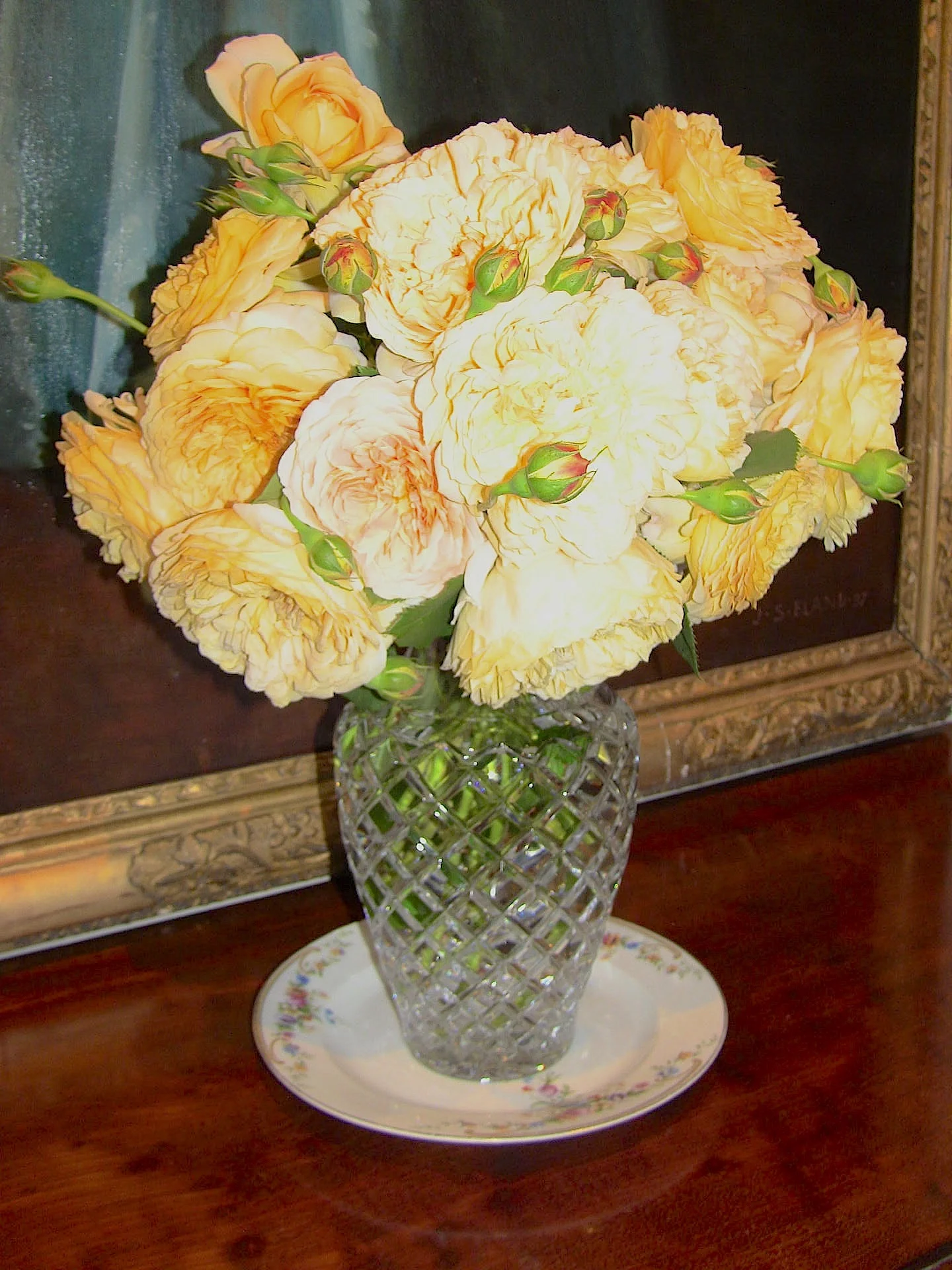
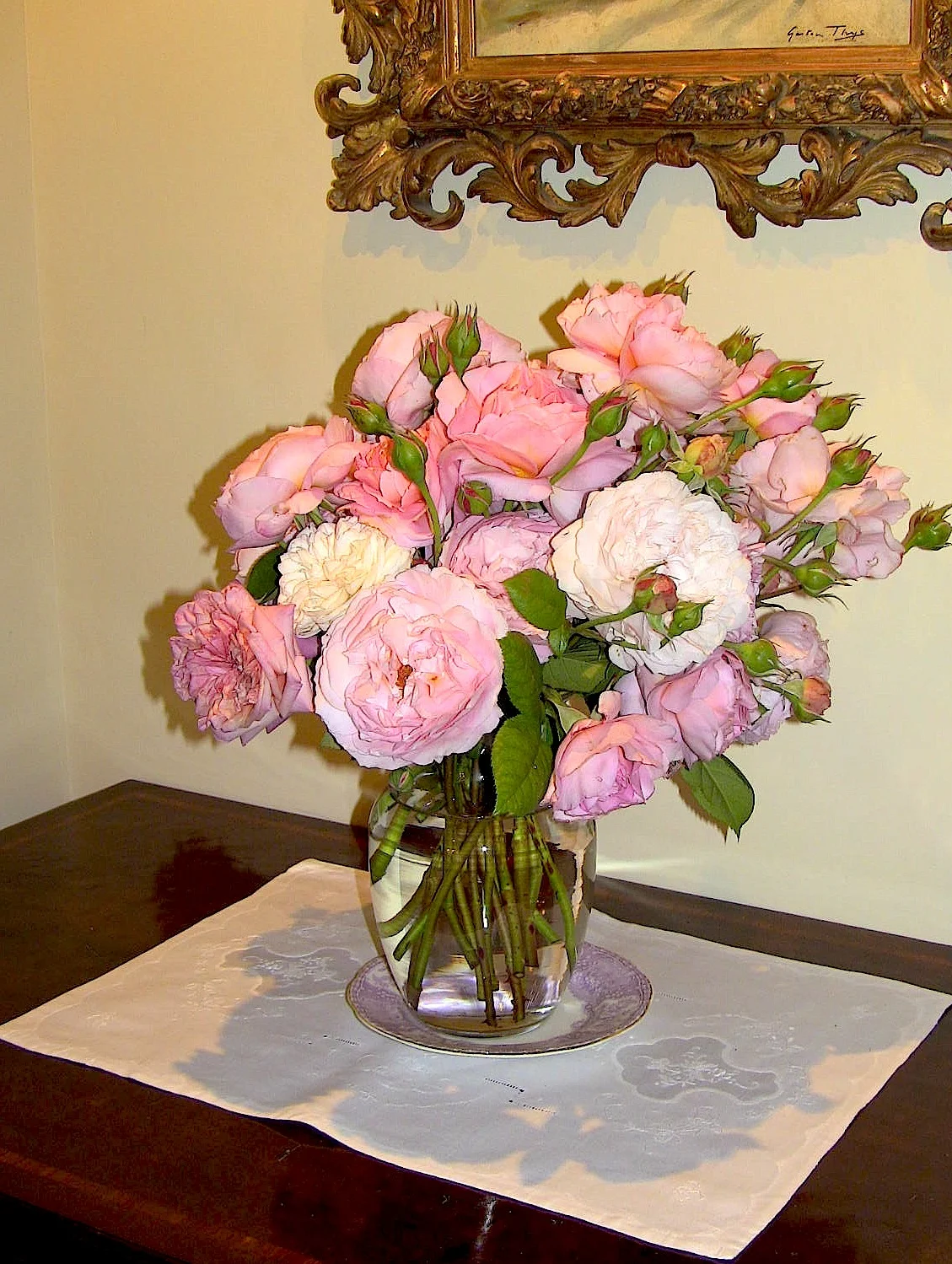
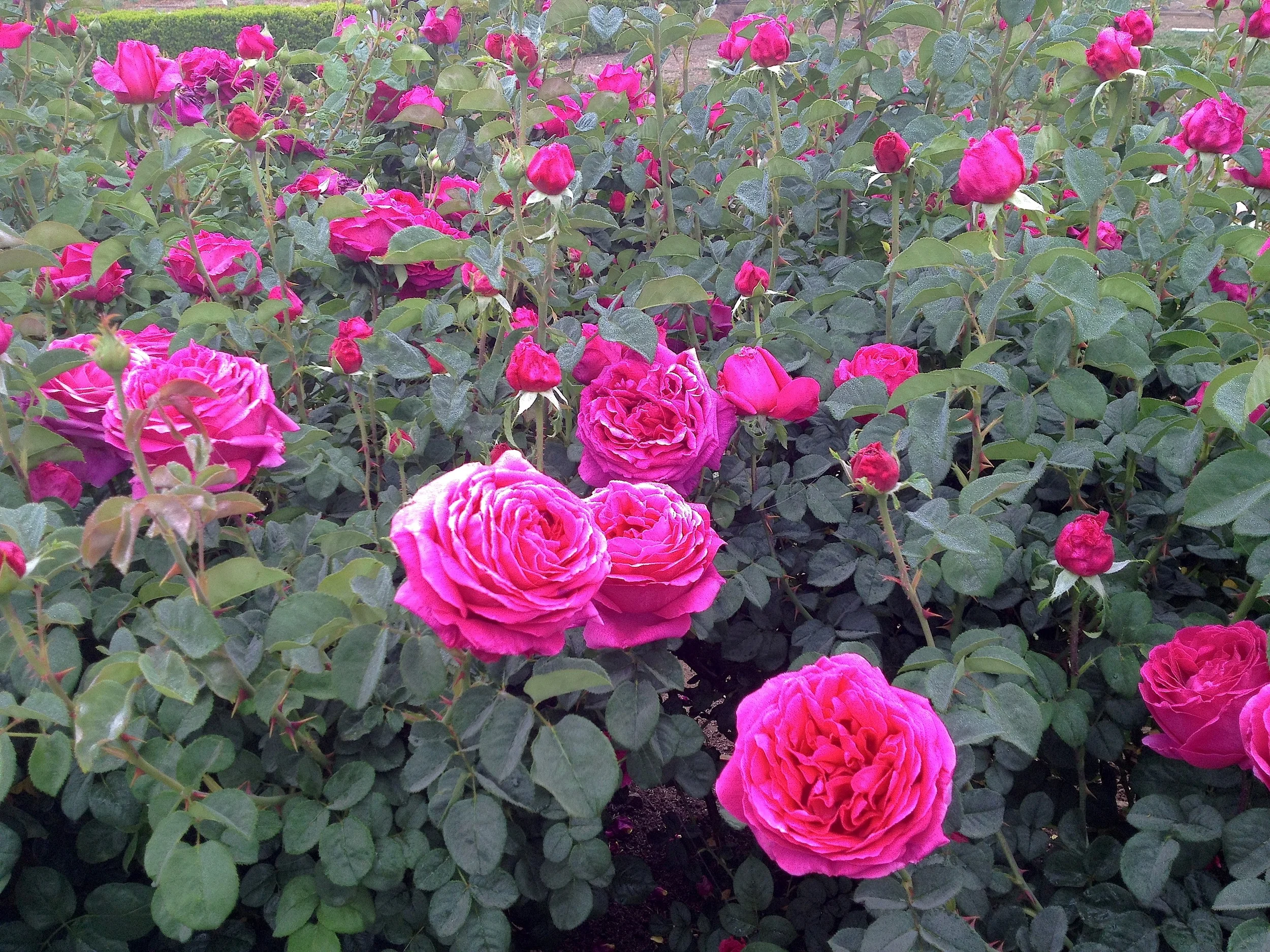
There are four separate David Austin rose beds encompassing 60 varieties of Antique and David Austin roses - 300 bushes in all.
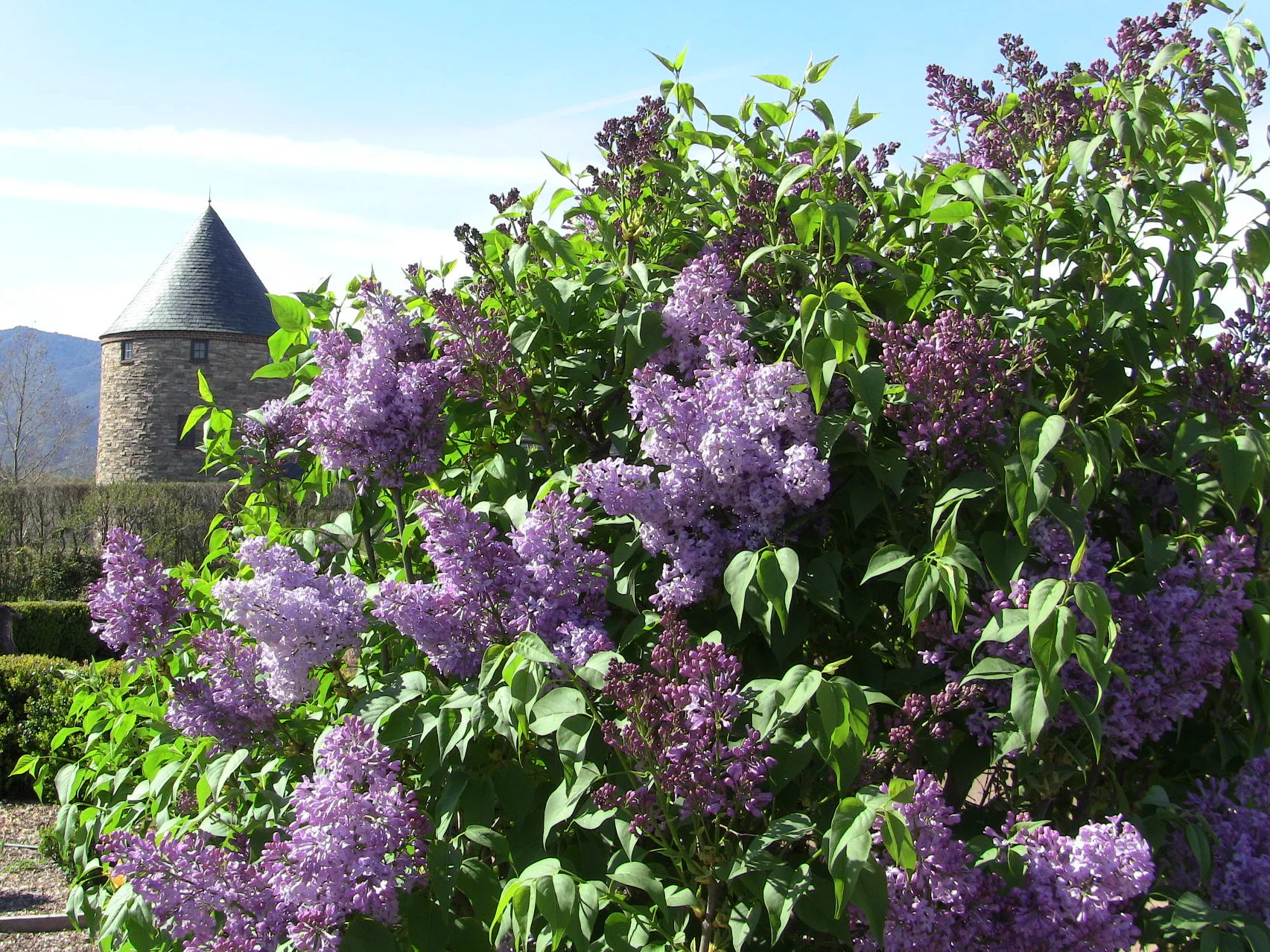
Descanso Hybrid Lilacs line the main Kitchen Garden walk.
The Wood & Fredric Law Olmsted
Conceived as a windbreak for the Valley's summer winds, the wood has surpassed expectations for the privacy it provides and the wildlife it harbors. The wood and gardens were designed in collaboration with Richard Bisgrove, author of The Gardens of Gertrude Jekyll and international lecturer on the history of garden design and the work of Gertrude Jekyll. Encompassing over three thousand trees, the wood is home to several different varieties of oak, sycamore and birch which share space with beech, hornbeam, hawthorne, horse chestnut, red maple, persimmon, redbud, wintersweet and lilac.
The design is inspired by Frederick Law Olmsted (1822 – 1903) who was an American landscape architect, journalist, social critic and public administrator. He is popularly considered to be the father of American landscape architecture. Olmsted was famous for co-designing many well-known urban gardens with his senior partner Calvert Vaux, including Central Park and Prospect Park in New York City.
The wood is based on Olmsted's picturesque style, which played with light, shade and color to lend a sense of mystery to the landscape by dividing the terrain into islands of successive new views.
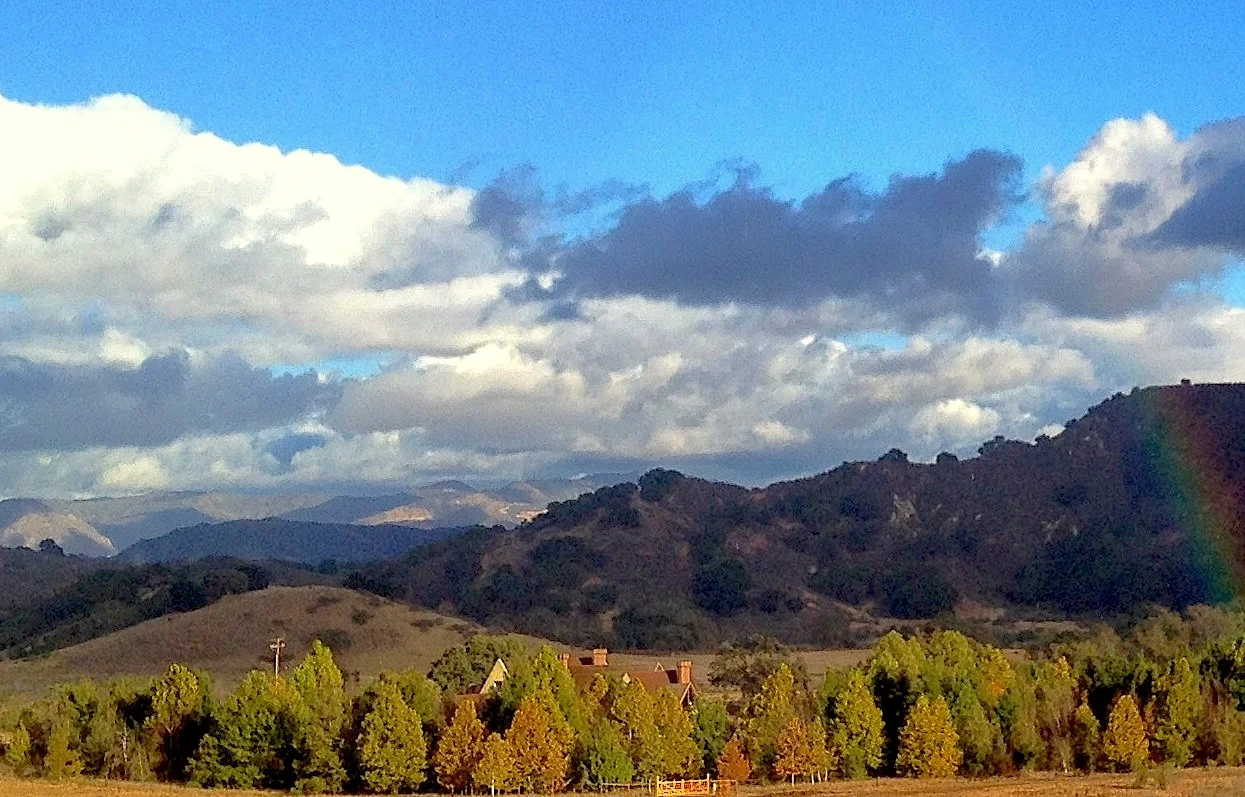
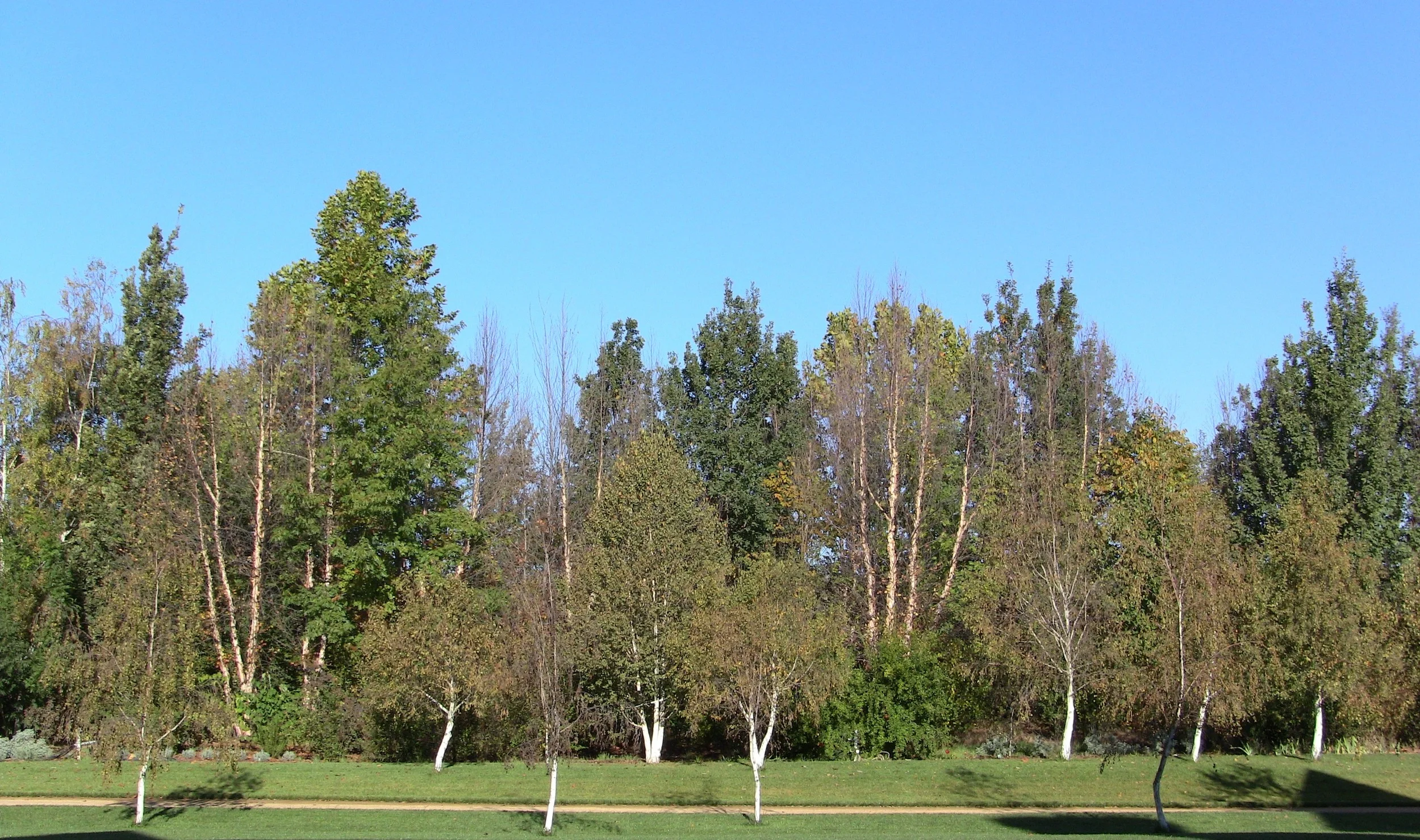
November 4th
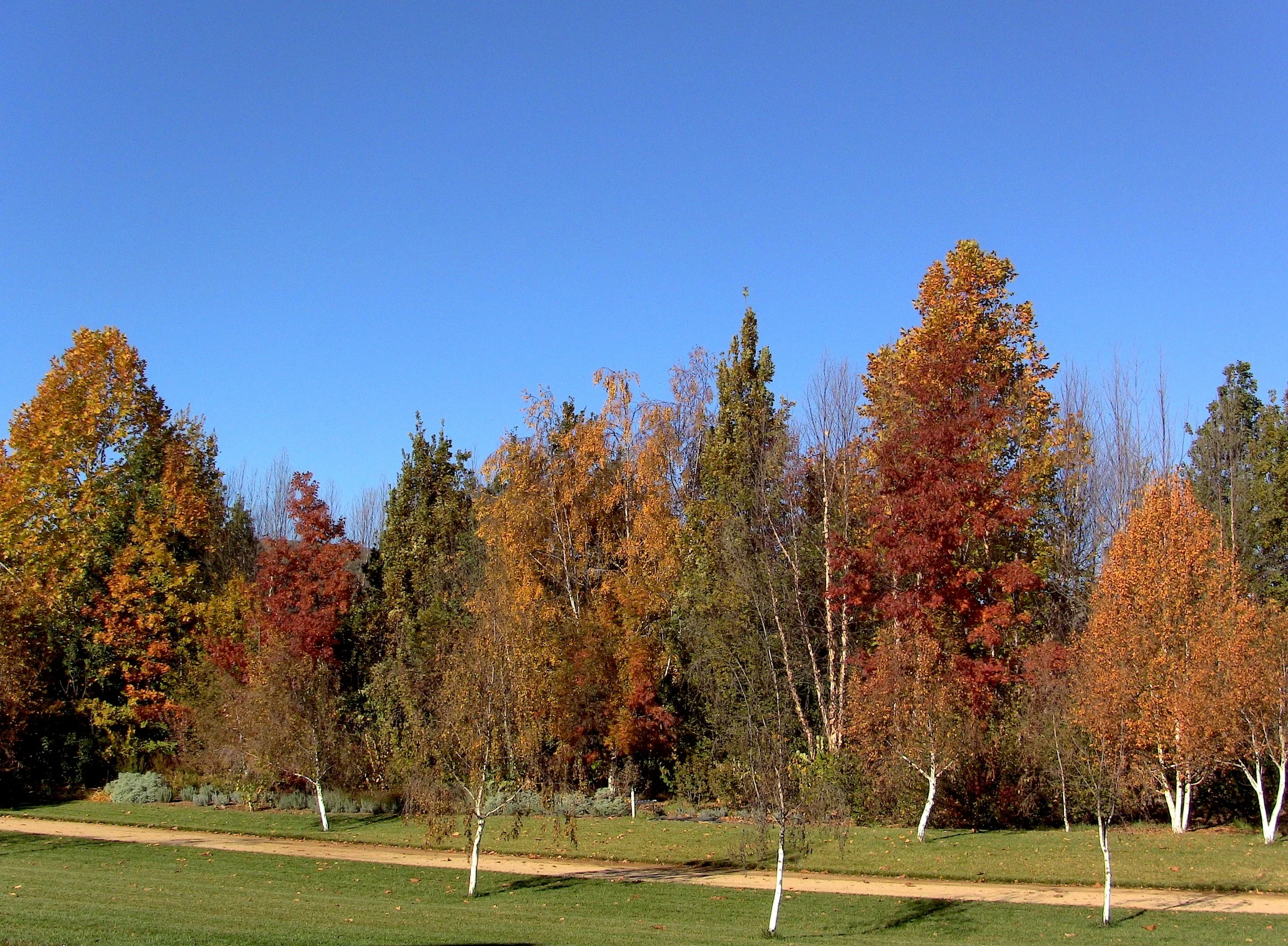
November 19
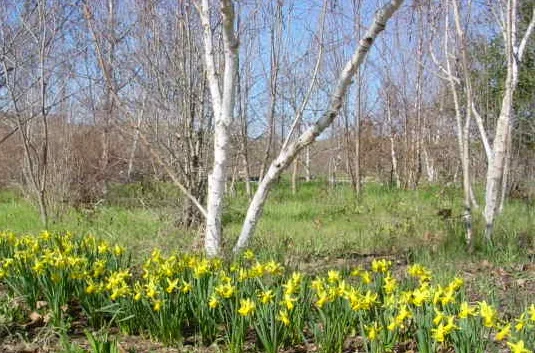
Daffodils are the first to spring into bloom as spring approaches.
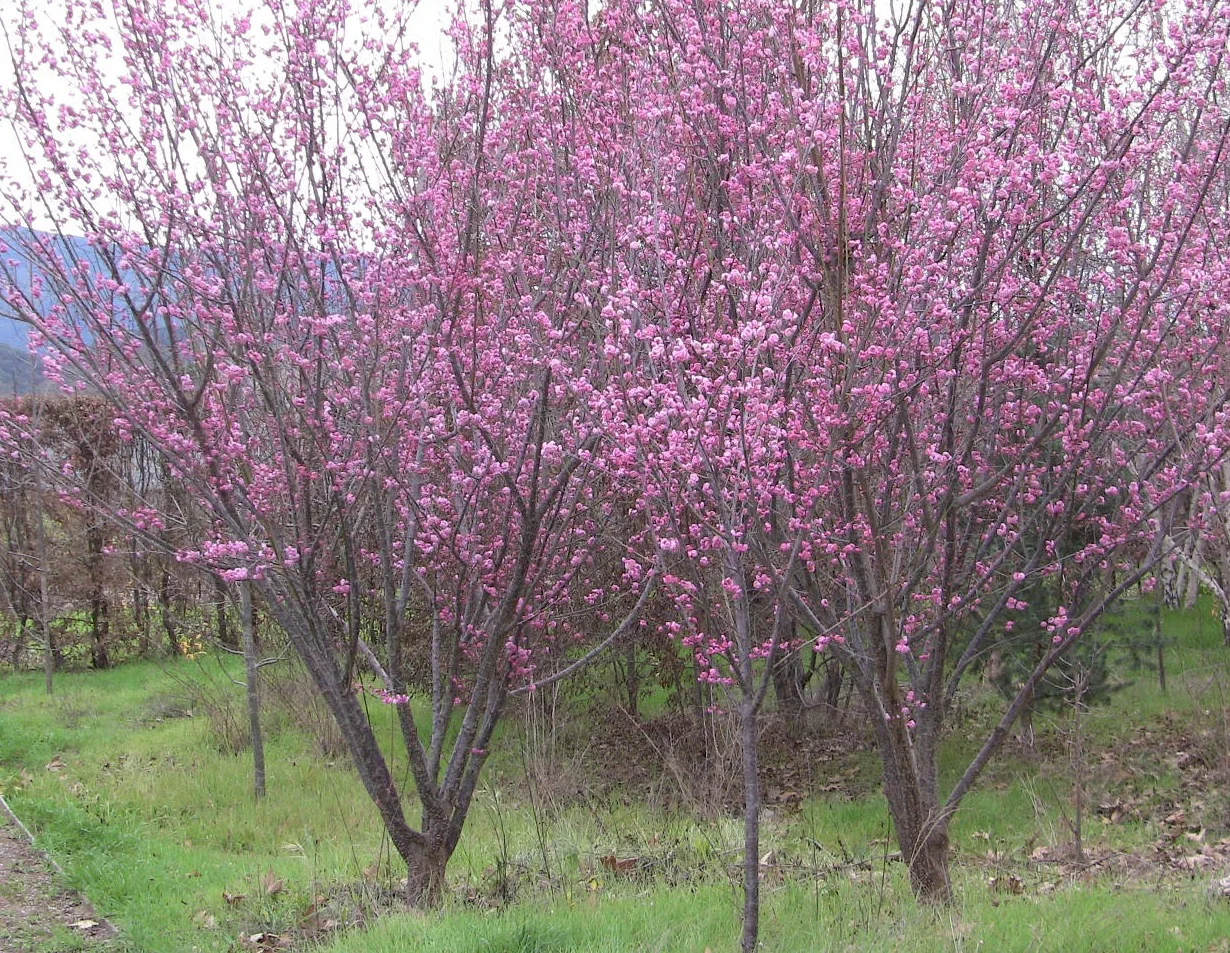
Peggy Clarke flowering apricot in bloom.
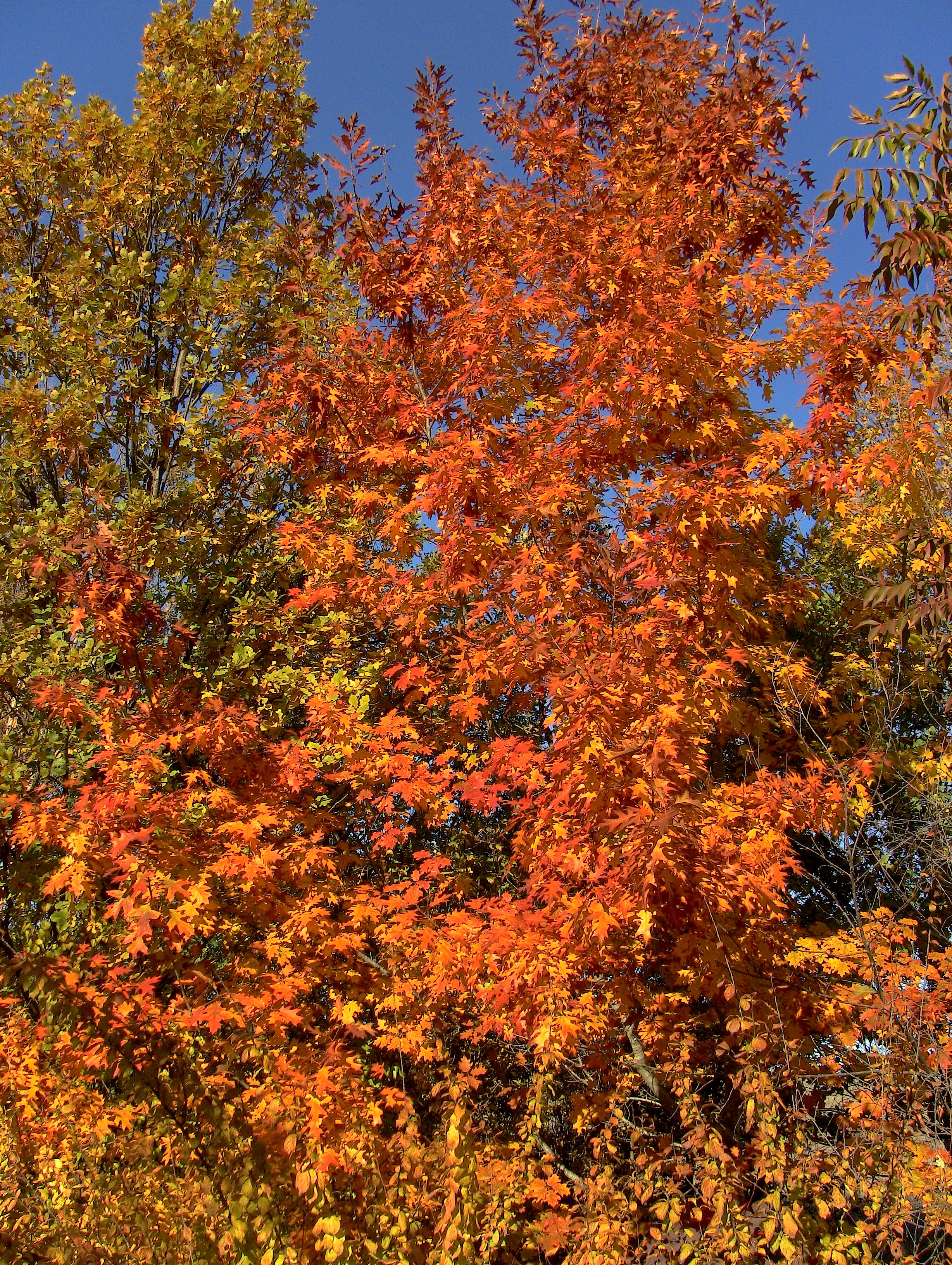
Scarlet Oak, Chinese Pistache, English Oak and Flowering Plum in the Fall
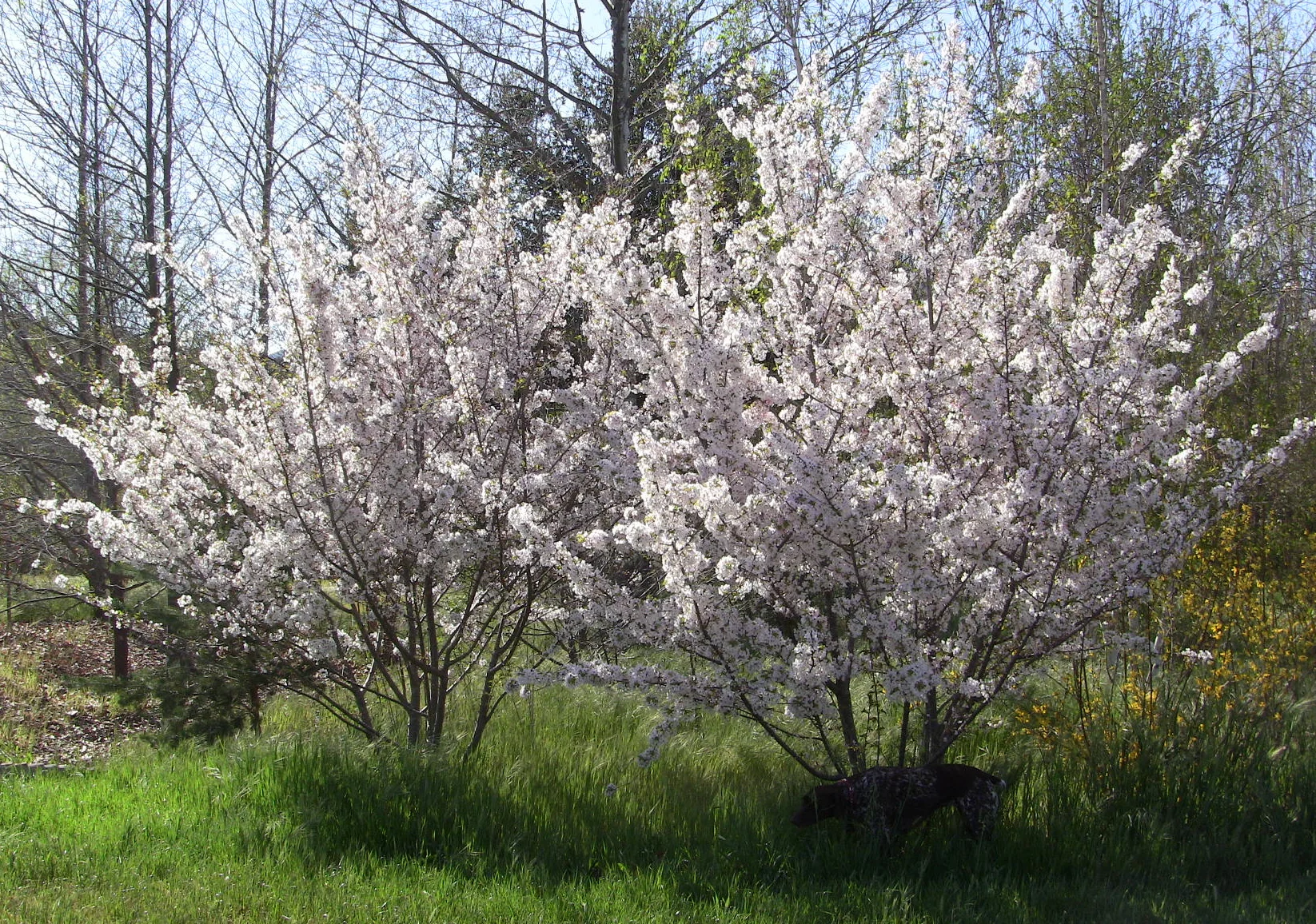
Japanese flowering cherries announce springtime
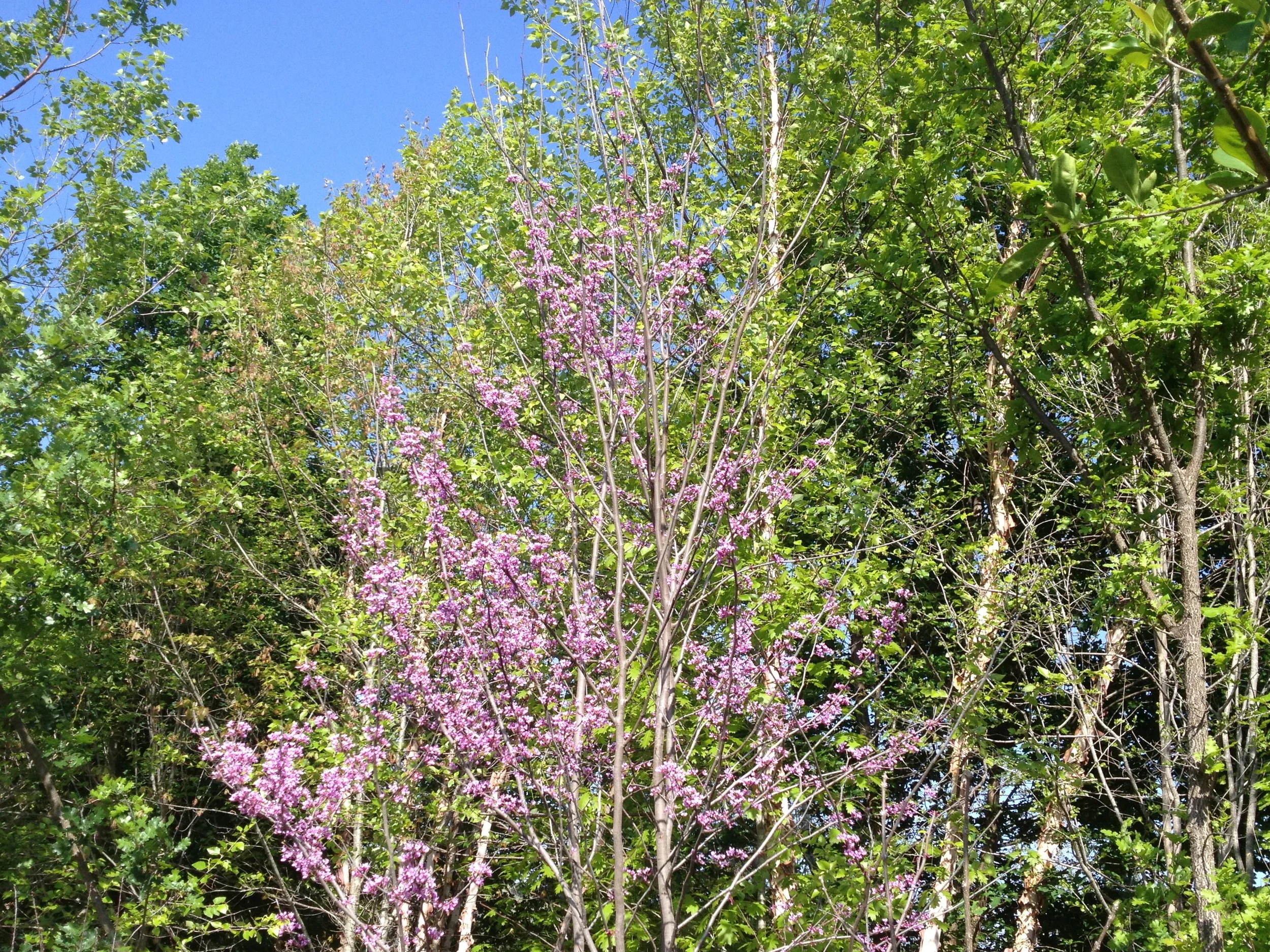
Eastern Redbud at the wood's edge.
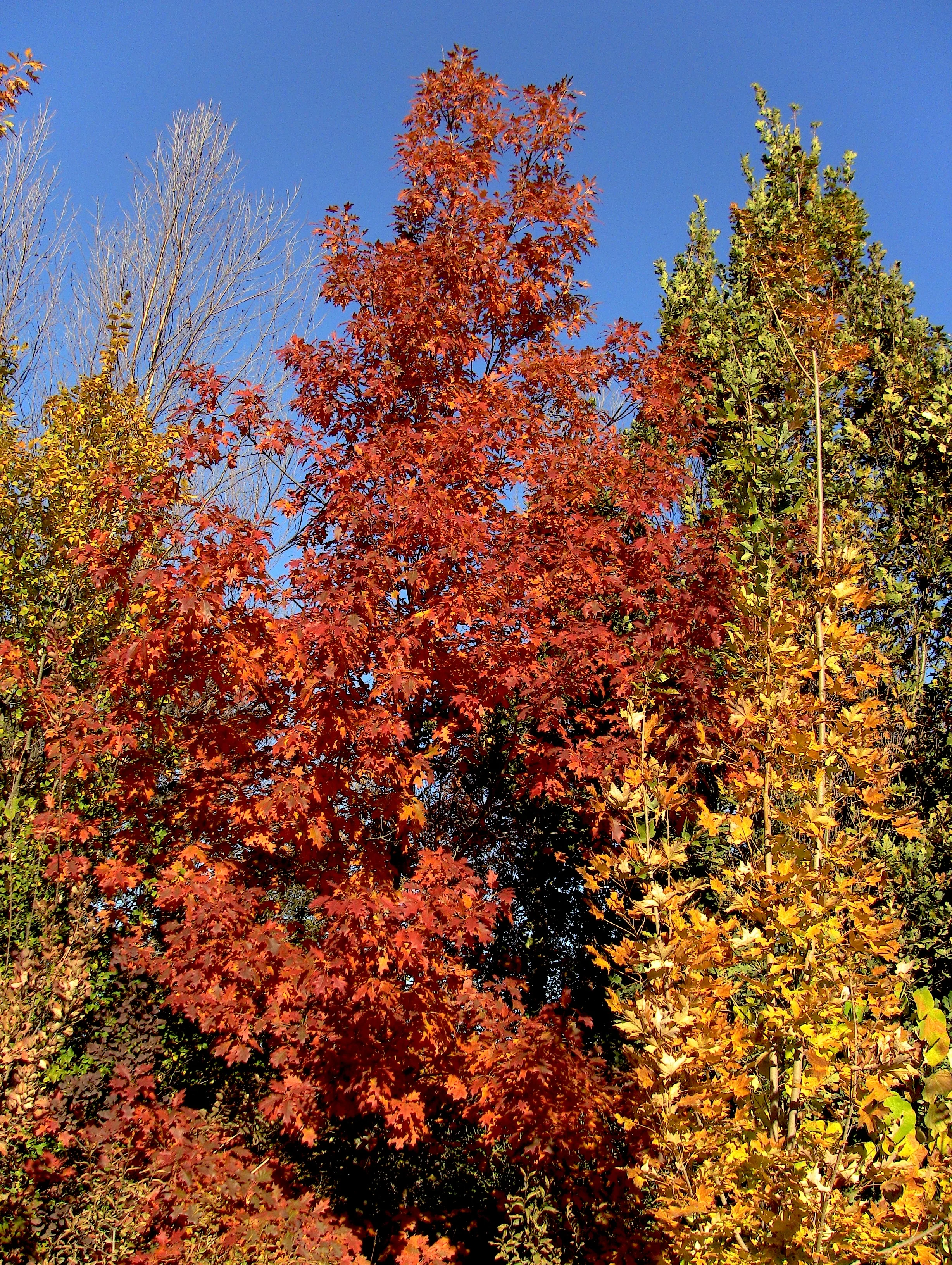
Red Oak, Sugar Maple, River Birch, English Oak, Purple SmokeTree and Eastern Redbud.
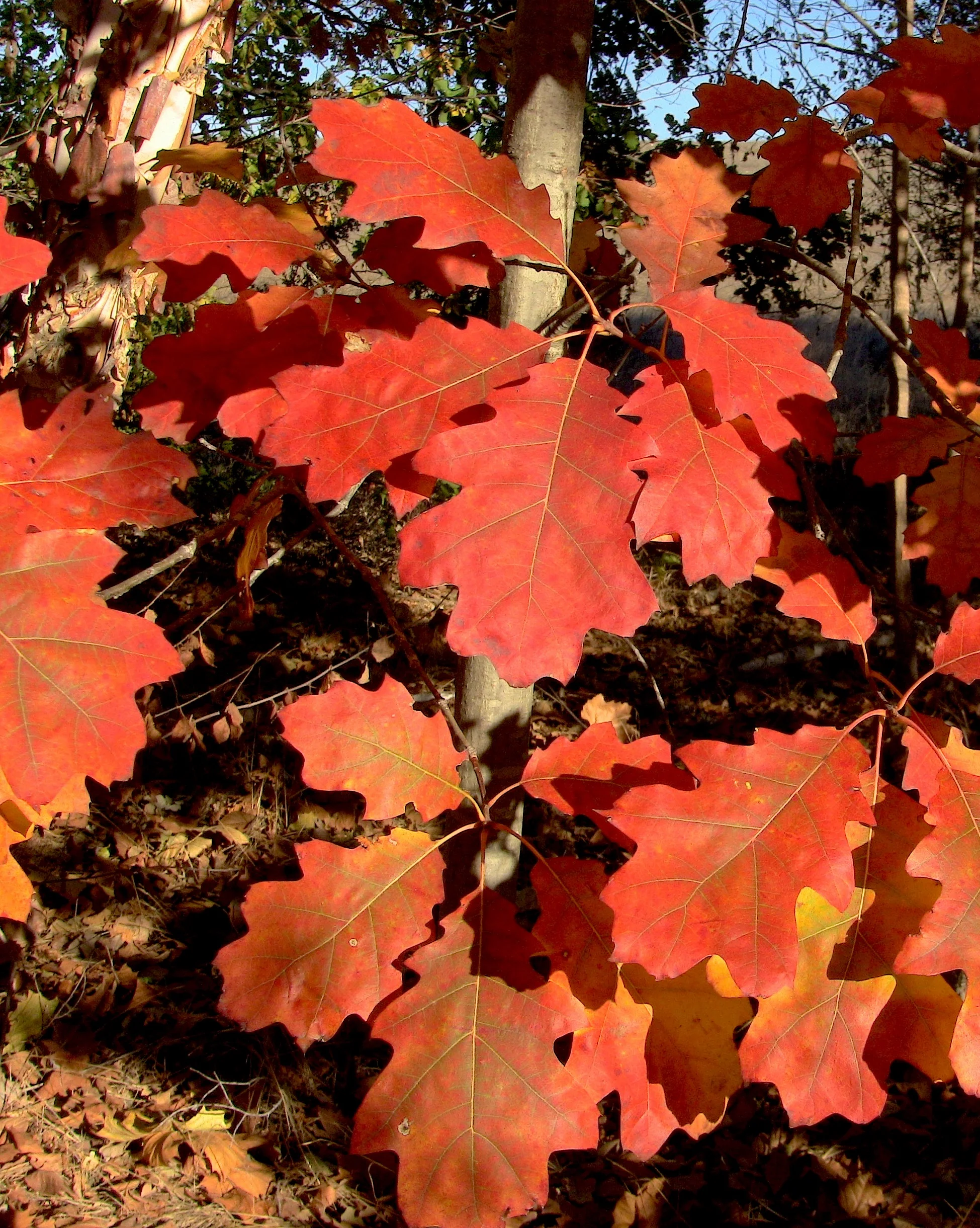
Red Oak Leaves mid November
Quisque iaculis facilisis lacinia. Mauris euismod pellentesque tellus sit amet mollis.